

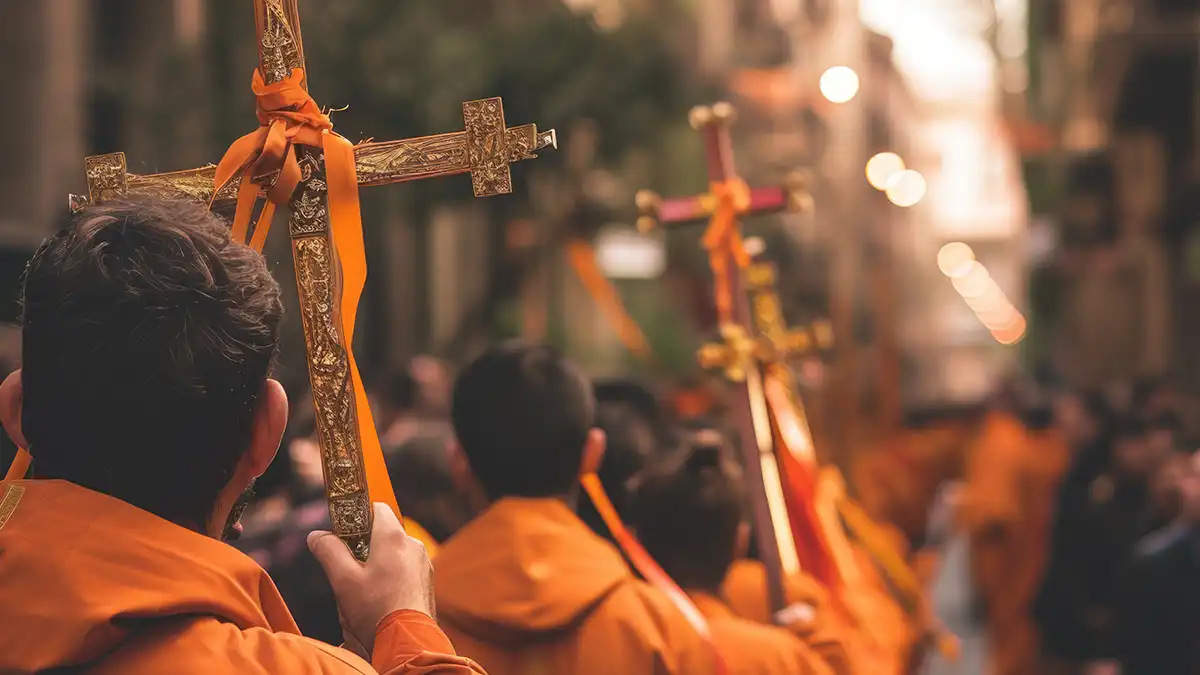
Every country has its own traditions when it comes to celebrating Christmas and the holiness associated with it. Something similar is Semana Santa. One of the most traditional and also most celebrated festivals in Spain, Semana Santa is truly one of the most auspicious times for all the residents of Spain. In this article, we will be helping you to decode everything about the Semana Santa 2026 and give you a better understanding of the way Semana Santa festivities usually take place in Spain. So, keep reading the article till the end to decode everything about the Semana Santa celebrations.
When is Semana Santa and What is it?
Before we crack down on the core idea of Semana Santa and help you understand the significance of the tradition, let me first give you a quick understanding of the Semana Santa festivities. Semana Santa 2026, or Holy Week, is one of the most significant religious observances in the Christian calendar, commemorating the last days of the life of Jesus Christ. From Palm Sunday to Easter Sunday, it marks a time of reflection, devotion, and community, drawing millions of participants worldwide.
If you are awaiting the date to celebrate the Semana Santa in 2026, then let me give you a quick understanding of the way Semana Santa can be celebrated by the residents of Spain. Well, in 2026, the auspicious day will start from the week of March 29 to April 5. One of the best things about the week is that it will bring together a wide range of cultural diversity and also processes and family gatherings around the world. While the festivities have their own share of pros, the central theme of Semana Santa remains the unitedness that it brings.
A Quick History behind Semana Santa
Now that you have a good understanding of Semana Santa, let me give you a quick understanding from a historical angle. The history of Semana Santa can be easily traced back to the Middle Ages. However, a pivotal moment essentially lies in history which occurred in the year 1521. This is especially when the Marqués de Tarifa returned from a pilgrimage to the Holy Land. Inspired by what he had witnessed, he introduced the Via Crucis (Stations of the Cross) to Spain. This was the practice which initially involved a solemn procession through the streets of Spain, and also with the participants who would be stopping at the symbolic points to reflect upon Christ’s journey to Calvary.
Additionally, over the years, these processions, organised by Catholic brotherhoods, known as cofradías, evolved into elaborate spectacles featuring intricately decorated floats (pasos) and hooded penitents (nazarenos). By the early 17th century, these processions had become more structured. Today, the Semana Santa festivities have truly brought the communities closer together and have helped them in understanding about the way traditions remain firmly in faith and devotion.
Understanding the Religious Sentiment of Semana Santa in 2026
While the religious significance of Semana Santa essentially is all about celebrating the holy week of Easter Sunday, in 2026, and since the historic times, its significance remains completely unchanged from the religious sentiments. Here’s what you need to know about the Semana Santa from a religious significance perspective:
Palm Sunday
This is essentially the day when Jesus entered the city of Jerusalem, the day that marks his triumphal entry into the city, and during that time, the crowd waved palm branches to honor him as the messiah.
Maundy Thursday
This is another one of the most significant days, which is believed to hold an important significance for the people who are celebrating the Semana Santa. This is the day that essentially commemorates the Last Supper, where Jesus shared a meal with his disciples, established the Eucharist, and washed their feet in an act of humility.
Good Friday
This is another one of the holy days that holds a traditional significance. This is the day that commemorates the crucifixation and the death of Jesus Christ, which essentially symbolizes the sacrifice for the redemption of humanity.
Holy Saturday
This is another one of the days that essentially marks the day Jesus’ body lay in the tomb, before his resurrection.
Easter Sunday
Another one of the most holy days that holds a lot of religious significance. The day essentially celebrates the resurrection of Jesus Christ, symbolizing his victory over death and sin, and offering hope to Christians worldwide.
How is Semana Santa Celebrated in Spain?
The Semana Santa is one of the most auspicious processions that happens in Spain, which is essentially rooted in devotion and also hold major cultural celebration. There are key cities, which include Seville, Málaga, and Granada, that are known for their elaborate processions, which draw crowds from around the world. These processions often feature beautifully decorated floats depicting religious scenes from the Passion of Christ, carried through the streets by cofradías (religious brotherhoods).
Some of the traditions in Spain include:
Pasos
One of the most holy traditions in Spain, which is essentially about decorating the floats depicting Christ, the Virgin Mary, and also the scenes from the passion of Christ. These are the floats which will be carried by the group of men and women who are known as the costaleros.
Nazarenos
The penitents who essentially wear long robes with hoods to conceal their identities will be walking in silence and also carrying candles as a form of penance.
Saetas
This is another one of the traditions in Spain that is followed for Semana Santa. These are essentially the traditional Spanish songs sung by people from balconies during the processions, creating a powerful emotional atmosphere.
If you ever happen to be in Spain during the Semana Santa, then you can visit Seville. It is specifically famous for its Semana Santa processions, where the floats and the participants all march through the streets late into the night, surrounded by candlelight and the sounds of solemn music.
How is Semana Santa Celebrated in Mexico?
While the Semana Santa celebration of Spain is quite different from that of Mexico, it’s important to understand the relevance in Mexican culture as well. Here’s a brief glimpse at the celebrations that take place in Mexico for Semana Santa:
Processions
There are many famous cities in Mexico which has got grand processions. If you are in Mexico during this time, then you can visit the cities of Oaxaca, Guadalajara, and San Miguel de Allende, hold processions where religious floats are carried through the streets, often accompanied by music and prayers.
The Passion Play
This is another one of the traditions that is rooted in the Mexican culture of Semana Santa. The Iztapalapa Passion Play is one of the largest reenactments of the Passion of Christ, with thousands of local actors participating in a dramatic portrayal of Jesus’ final days.
Family Time
One of the key things to know about Semana Santa in Mexico is that the city takes the opportunity of the festival to spend time with family, fostering a deep-rooted sense of togetherness and community. Many Mexicans head to the beach or stay at home for relaxation and reflection.
How are the Celebrations in Guatemala for Semana Santa?
While the celebrations in Spain and Mexico are quite different and offer variations, the celebrations in Guatemala are quite different. Here’s how the celebrations in Guatamela looks like during Semana Santa:
Processions
One of the key part of the celebrations of Semana Santa in Guatemala are the processions. There are many places in Guatemala where grand processions occur to showcase the cultural magnificence of the Semana Santa festival
Alfombras
Another key tradition in the Semana Santa celebrations in Guatemala is Alfrombras. These elaborate carpets are created by families, schools, and local communities, and are often dedicated to religious themes or specific saints.
Cultural Significance
This is another one of the key traditions that you will find in Guatemala during the Semana Santa procession. In Antigua, the entire city becomes a part of the celebration, with everyone taking part in some aspect of the rituals, whether through prayer, creating carpets, or participating in the processions.
One of the most fascinating things to know about the celebrations in Guatemala during the Semana Santa is that the local artisan made carpets, which bring the community together.
Conclusion
The celebration of Semana Santa is one of the most culturally fulfilling and enriching experiences across different communities in Europe. With every city and region, there are different traditions which are associated with the Semana Santa celebrations. However, the central theme of Semana Santa remains to bring the families and the communities together to enhance the festive spirit. That’s all, folks. I hope the article will help you to get all the information you need.
Commonly Asked Questions
When is Semana Santa in 2026?
In 2026, the Semana Santa festivities will start from March 29 and will continue until April 5
Are the Celebrations same for Semana Santa in Mexico and Guatemala?
No, the traditions and the cultural significance of Semana Santa are different in Mexico and Guatemala.
Is Semana Santa A Popular Festival in Spain?
Yes, Semana Santa is an extremely popular festival in Spain and also holds a huge amount of cultural significance in the region.
Can Semana Santa be Celebrated in Colombo?
Yes, Semana Santa is also celebrated in Colombo with great grandeur and excitement.
Does Semana Santa has Historical Significance?
Yes, Semana Santa has historical significance.
Read Latest:
Drew Sangster and Everything about Her Life
‘Weather in Greece in May?’ Know Right Time to Trip to Greece

Hi, this is Archismita!
With 4 years of content writing and a journalism background, I bring stories to life in tech, AI, crypto, marketing, and beyond.
Think of my blogs as a mix of insights, reviews, and a dash of personality—because learning shouldn’t be boring.