

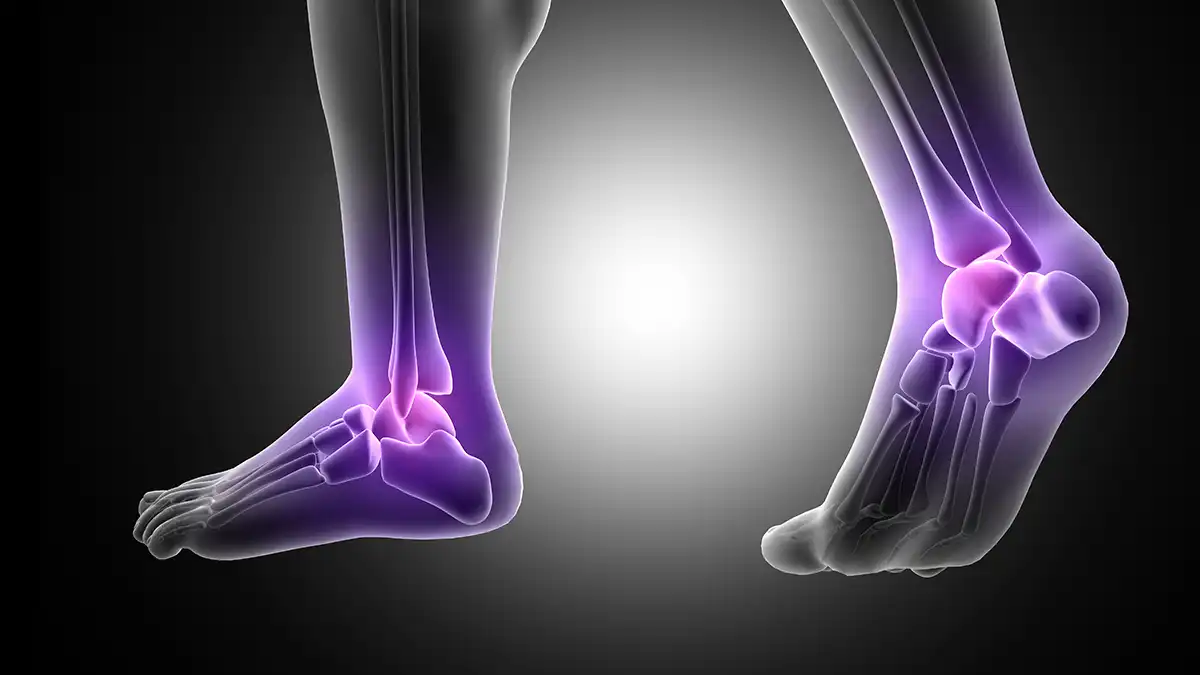
Welcome Readers! It usually doesn’t start with anything dramatic. You’re walking sometimes, maybe going for a run, or just standing for a while, and you will notice a slight discomfort along the outside of your ankle regularly. Nothing serious at first. It might feel like a bit of stiffness or a mild pull. Easy to ignore.
But then it lingers. That’s often how Peroneal tendon issues quietly begin.
People dealing with Peroneal tendon pain on the outside of the foot tend to describe a similar pattern. There’s some swelling around the ankle. Walking or running starts to feel uncomfortable. The ankle may feel weak sometimes and may also be slightly unstable. In some cases, there’s even a subtle clicking or snapping sensation when you start to move.
At a glance, it’s easy to brush it off as a minor sprain. But sometimes, it’s more than that. It could be a Peroneal tendon injury that needs proper attention before it gets worse.
So before jumping into treatment options, it’s worth understanding what’s actually going on inside your ankle—and why this pain shows up in the first place.
What Is the Peroneal Tendon?
The Peroneal Tendon is part of a group of tendons in the ankle. The tendons play a vital role in stabilizing the foot.
You have two Peroneal tendons:
- Peroneus longus
- Peroneus brevis
The tendons run on the outside of your lower leg. They connect to your foot tendons. The tendons help control your balance.
In other words:
The tendons help stabilize your foot when you walk, run, or change your course. When the tendons in your foot get irritated, stretched, or torn, you will get Peroneal Tendonitis symptoms or other injuries. This brings us to the next question: What causes Peroneal Tendonitis?
What Causes Peroneal Tendon Injuries?
A Peroneal tendon issue rarely shows up without a reason. In most cases, it either builds slowly over time or gets triggered by a sudden strain on the ankle. Let’s break down the common causes in a way that actually makes sense.
Overuse (The slow build-up)
This is probably the most common reason. If your ankles are doing the same motion again and again, the tendons start to feel it.
- Running long distances regularly
- Repetitive ankle movement (especially in sports or workouts)
- Wearing poor or unsupportive footwear
At first, it’s just mild discomfort. But ignore it long enough, and it can turn into a proper injury.
Sudden Injury (The Instant Trigger)
Sometimes, it’s not gradual—it happens in a moment.
- Rolling your ankle inward unexpectedly
- A sports-related impact or awkward landing
- Walking or running on uneven surfaces
That one wrong step can put immediate stress on the tendons.
Foot Structure Issues (The Hidden Factor)
Your natural foot shape also plays a role, whether you realize it or not.
- High arches
- Weak ankle stability
These can quietly increase strain on the tendons over time, making injuries more likely.
Misdiagnosed Ankle Sprain
This is where things get tricky. A lot of people confuse Peroneal Tendonitis with an ankle sprain.
On the surface, the symptoms feel similar. But what looks like a simple sprain may actually involve the Peroneal tendon—and that changes how it should be treated.
And once that pain starts sticking around, the next question becomes obvious—how do you actually treat it properly?
Peroneal Tendon Treatment (What Actually Works?)
This is where most people start searching:
“How to treat Peroneal Tendonitis at home.”
“Peroneal tendon injury treatment.” Let’s get into it.
At-Home Treatment
For mild cases of Peroneal Tendonitis symptoms:
- Rest your foot (avoid strain)
- Ice the area (15–20 mins)
- Compression bandage
- Elevate the foot
This will help to reduce inflammation in this tendon
Rehab & Exercises
Tendon exercises for rehab is important in the recovery process:
- Resistance band ankle rotations
- Heel raises
- Balance exercises
These exercises help strengthen the surrounding ankles to prevent future injuries.
Medical Treatment
In cases of moderate to severe Peroneal tendon injury, the following medical treatments can be applied:
- Physical therapy
- Anti-inflammatory medication
- Bracing or orthotics (best support for Peroneal tendon injury)
Surgery (Advanced Cases)
If a tear is present in any case, this tendon surgery recovery may be needed.
This tendon tear recovery time after surgery depends on:
- 6–12 weeks for initial recovery
- 3–6 months for full recovery
Keep in mind, this timeline can vary person to person depending on how severe the injury is and how consistent you are with rehab.
Tests & Diagnosis
If a Peroneal tendon problem is suspected, doctors may recommend the following:
- Physical examination
- MRI scan (best method for diagnosis)
- Ultrasound scan
- X-ray (to exclude any possible fractures)
Best Treatments Used Worldwide
In all countries, the best treatments for Peroneal tendon injuries are as follows:
USA: Sports rehab + advanced physiotherapy
Germany: Precision diagnostics + rehab protocols
Japan: Movement correction & minimal surgery
India: Cost-effective physiotherapy & recovery care
Globally, the best treatments for these tendon injuries are moving towards non-surgical recoveries, except in the case of severe injuries to the tendon.
Recovery Rate (Global Insight)
Although WHO does not directly publish statistics on the recovery rates of particular conditions related to tendons, global statistics related to orthopedics show the following:
- 80 to 90 percent of this tendon injuries can recover without the need for surgery
- Early treatment can increase the recovery rate considerably
- Failure to address the injury can lead to chronic instability in the ankles
Therefore, the recovery rate depends on the early treatment of the condition.
Peroneal Tendonitis vs Ankle Sprain
This is one of the most searched comparisons.
Feature
- Peroneal Tendon Injury Ankle Sprain
- Pain Location: Specific line around the outer ankle area.
General area of the ankle
Swelling Gradual Immediate
Movement Pain during movement Pain when pressing
Slower recovery time if not treated, Faster recovery time when given rest
If pain persists, it is not just a sprain, but could be a tendon problem.
When to Visit a Doctor?
Sometimes, rest and home care do the trick—but not every time. Knowing when to bring in a professional can make a real difference in how quickly (and fully) you recover.
You should consider seeing a doctor if the following symptoms persist:
- Pain lasts more than 2–3 weeks without improvement
- Swelling sticks around or gradually gets worse
- Your ankle feels unstable when you walk
- You notice a sharp pain or a snapping sensation
- You’re unable to comfortably put weight on your foot
Here’s the reality—mild tendon pain can settle down with rest. But if you’re dealing with this tendon tear or ongoing inflammation, waiting too long can lead to long-term ankle instability.
Getting an early diagnosis often means a smoother recovery and fewer complications down the line.
Best Shoes for Peroneal Tendon Pain
What you wear on your feet matters more than most people think.
Any wrong pair of shoes can quietly start to aggravate your condition. On the other hand, the right ones can actually support healing. It keeps you moving comfortably. So, what should you look for?
Key Features of Good Support Shoes
- Arch support, especially for high arches
- Solid ankle support
- Cushioned soles to absorb impact
- A firm heel counter to keep your foot stable
What to Avoid
- Flat shoes with little to no support
- Worn-out running shoes
- High heels or unstable footwear
Real Insight
Many runners dealing with this tendon pain on the outer side of the foot start to feel relief simply by switching to stability-focused shoes. Brands like ASICS, Brooks, and New Balance are often recommended for better ankle support and overall comfort.
Do’s and Don’ts for Faster Recovery
When it comes to a Peroneal tendon injury, the little things you do each day can either help you heal faster—or hold you back. It really adds up over time.
The Do’s:
- Rest your foot when pain increases
- Apply ice regularly (15–20 minutes)
- Wear supportive shoes or ankle braces
- Follow rehab exercises consistently
- Ease back into activity slowly
The Don’ts:
- Don’t ignore any kind of persistent pain
- Avoid running on uneven surfaces early on
- Don’t skip warm-ups before any activity
- Avoid pushing through sharp pain
- Don’t rely only on painkillers without fixing the cause of the pain
Think of it this way: recovery isn’t just about treatment—it’s also about how you move and care for your body every single day.
FAQs (People Also Ask)
What are the Peroneal Tendonitis Symptoms?
Pain, swelling, and weakness on the outside of the ankle are common.
How Long Does Peroneal Tendon Recovery Take?
Mild: 2–4 weeks
Severe: Up to 3 months or more
Can I Walk With a Peroneal Tendon Injury?
Yes, but this may aggravate the injury further.
Rest is highly advised.
What is the Best Support for Peroneal Tendon Injury?
Using ankle braces, orthotics, and proper shoes can give strong support.
Is Surgery Always Required?
No, most tendon problems resolve on their own with early treatment.
Final Thoughts (Relief Starts Here)
So, if you’ve been dealing with that nagging pain along the outer side of your ankle, know this—you’re not imagining it, and you’re far from the only one going through it. A Peroneal tendon issue can be frustrating, especially when it gets brushed off as something minor.
But here’s the reassuring part: Most cases can be treated. Recovery is very much within reach, and acting early truly makes a difference
Whether you’ve just started noticing the symptoms or you’re already looking into this tendon injury treatment, take this as your sign to pay attention—without panicking.
With the right approach, proper care, and a bit of patience along the way, you can absolutely get back to walking, running, and living your life without that constant discomfort.
Medical Review & Disclaimer
This article is designed for informational purposes only, and it should not be considered a substitute for medical advice, any kind of diagnosis, or treatment. If you are experiencing persistent ankle pain, you must please consult a qualified medical practitioner/physiotherapist. This article has been medically reviewed by a physiotherapy expert who knows sports injuries and ankle rehabilitation.
Also Read:
‘Weather in Greece in May?’ Know Right Time to Trip to Greece
E-Commerce Business Ideas that Every Founder can Know About

I have been associated with IEMLabs over the last five years and have been creating content with a focus on increasing awareness of cybersecurity as the platform evolves. I have also been involved in creating various tech blogs, where I produce content beneficial to students, the workforce, and tech enthusiasts. My focus is on making complex issues, such as ethical hacking, AI, cloud computing, and emerging digital trends, simple and easy to read and understand. With a passion for digital literacy and cybersecurity education, I aim to create content that not only informs but also empowers individuals to navigate the evolving technological landscape with confidence.